
Acid Staining in the Hudson Valley, NY
Turn Plain Concrete Into a Surface with Natural Depth and Character
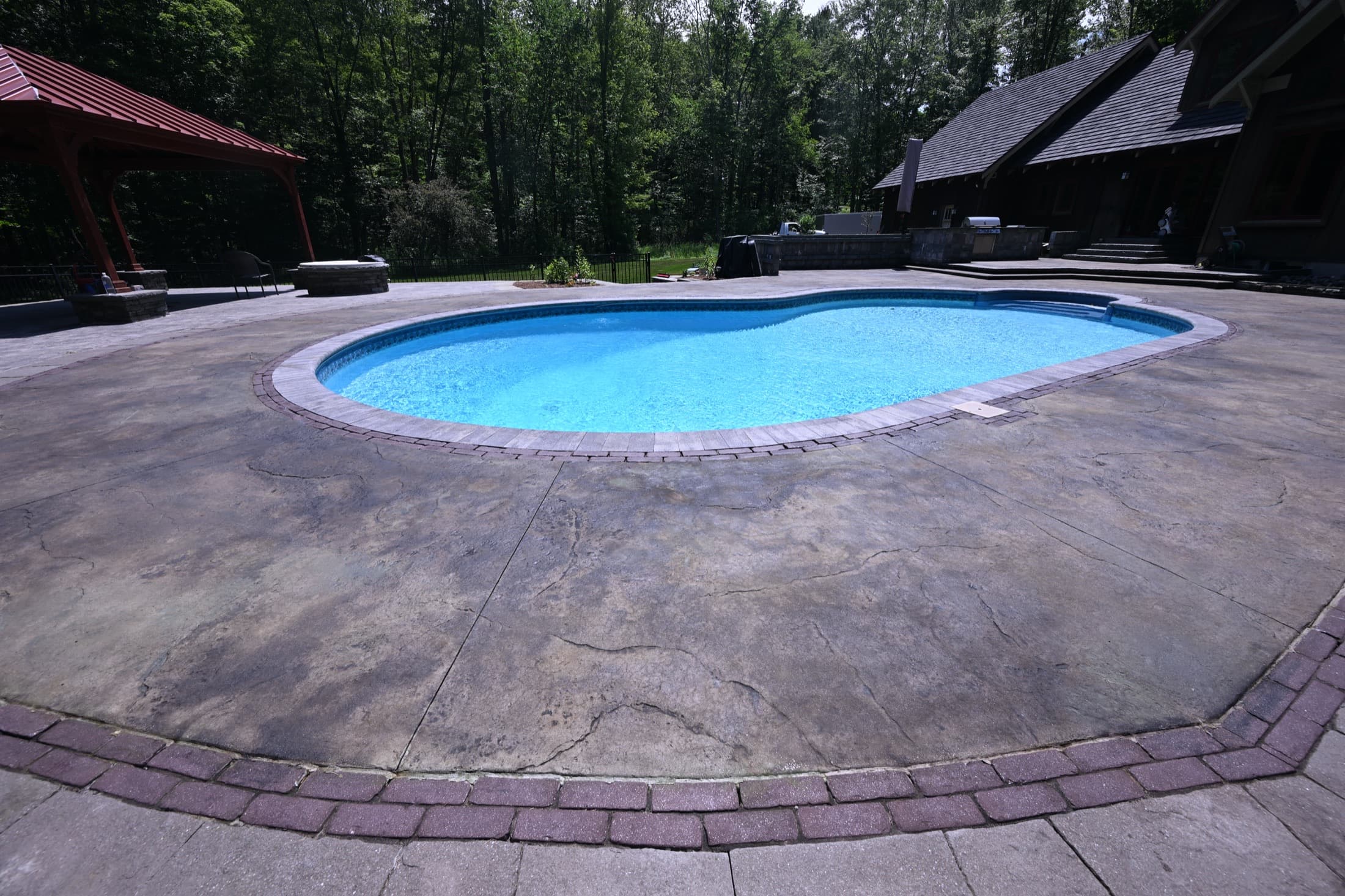
A concrete floor does not have to be covered to become a feature of the room. Acid staining brings out the variations already present in the slab, creating layered color that can suggest stone, worn leather, or an aged finish. The result is individual to the concrete beneath your feet.
Concrete Doctor of New York evaluates concrete acid staining projects in Poughkeepsie, Wappingers Falls, Newburgh, Kingston, New Paltz, Middletown, and surrounding Hudson Valley communities. We look at the slab's condition, previous treatments, moisture, intended use, and your design goals before recommending a finish.
Thinking about staining a floor or outdoor slab? Request a free evaluation or call 845-769-6096. Photos of the surface help us start the conversation.
What Is Acid-Stained Concrete?
An acid-based concrete stain reacts with compounds in the concrete to create translucent color within its surface. It is different from painting concrete an opaque, uniform shade. Small changes in the slab's composition and porosity can produce swirls, mottling, and shifts in tone across the same floor.
Warm browns, amber, tan, and terracotta are familiar results; some products can produce muted green or blue tones. The actual appearance depends on the product and the concrete. A sample can guide the design, but it cannot guarantee that every part of an existing slab will match. If you want a precise, even color, we can discuss whether another decorative finish better fits that goal.
The color reaction is part of the concrete surface. The protective sealer applied afterward is a separate layer that can wear and require maintenance.
Where Does Acid Staining Work Best?
Basement and Interior Floors
Acid stain can give an eligible basement, finished living area, or concrete floor a warmer look without hiding its natural character. Before choosing a finish, we check for moisture intrusion, previous flooring adhesive, paint, and patches. A decorative treatment should follow the resolution of active water problems.
Patios and Courtyards
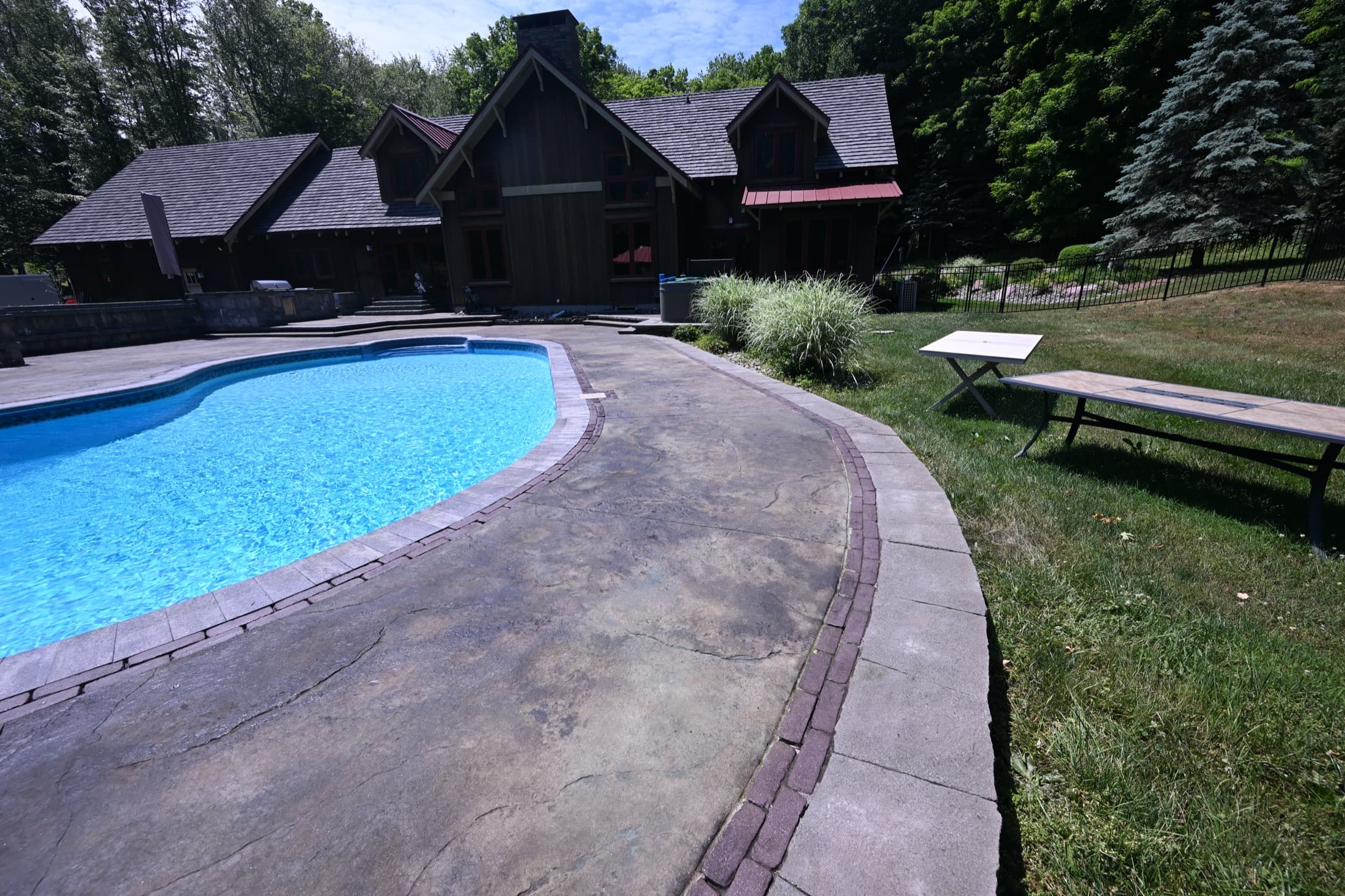
Earth-toned concrete can relate naturally to stonework, landscaping, and the exterior of a home. We review drainage, weather exposure, and the appropriate exterior sealer. Color and sealer appearance will change with use and exposure over time.
Walkways and Entrances
A sound walkway or entry slab may gain more character through stain, especially where the existing concrete has interesting natural variation. We also consider steps, slopes, wet-weather traction, and winter upkeep.
Commercial Concrete Floors
A stained floor can suit an office, shop, or other commercial space where an individual, natural-looking finish is desirable. The expected traffic, cleaning practices, and downtime help determine whether staining and sealing are suitable.
Garages and Driveways
These surfaces need careful evaluation. Tires, oil, road salt, snow removal, and repeated vehicle loads challenge the sealer, even though the reacted color itself does not peel like paint. A garage may be better served by garage floor repair and resurfacing or another protective system such as epoxy flooring. A driveway with settlement or broken sections may need driveway repair before any decorative work.
Tell us where the concrete is and how you use it. We will help evaluate the options.
Is Your Existing Concrete a Good Candidate?
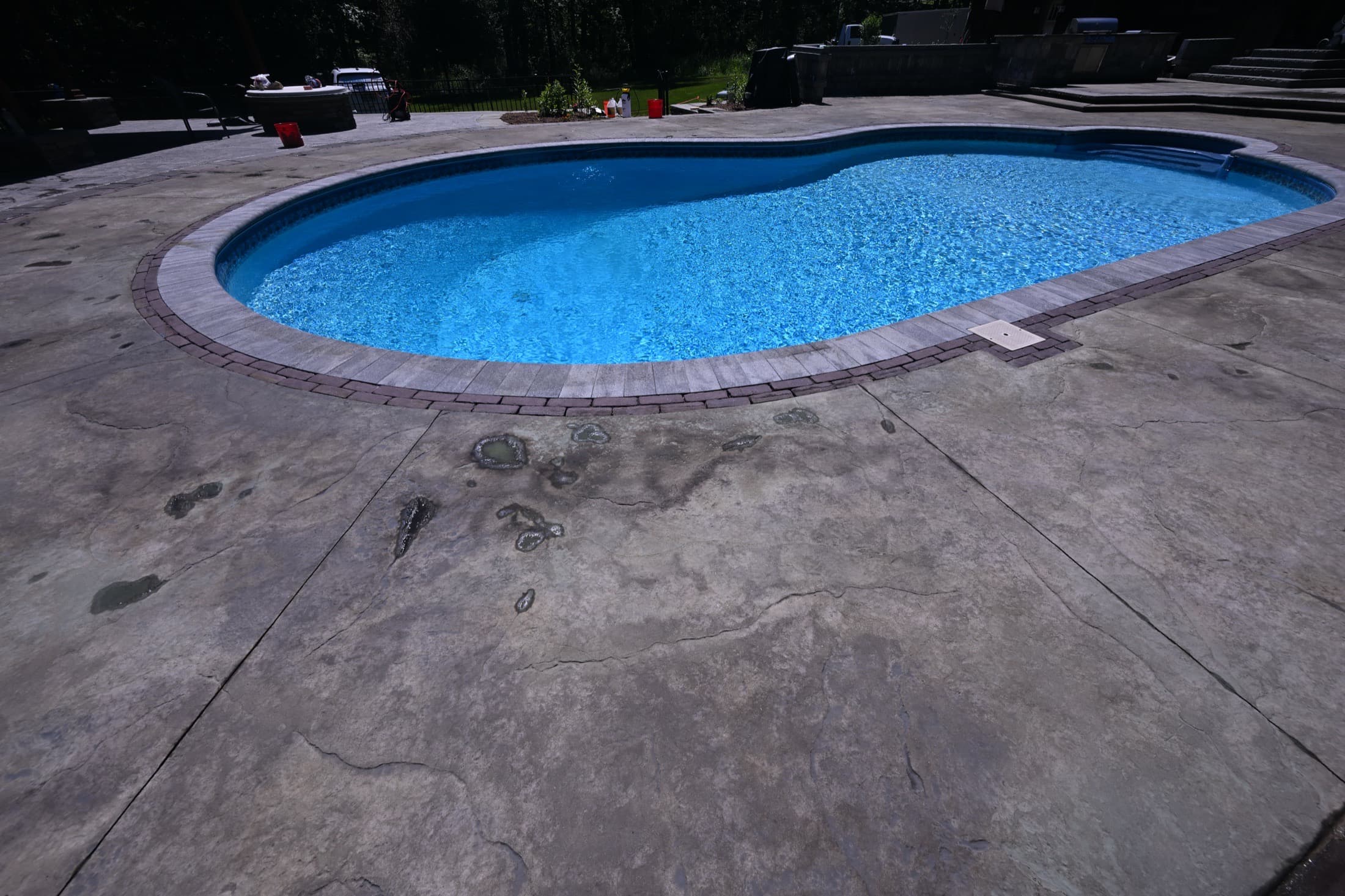
Acid stain brings out the slab's history as well as its beauty. Porosity, trowel marks, aggregate exposure, old stains, patch materials, and previous cleaning or coating can influence the final color. Adhesive residue or sealer may keep the stain from reacting in affected areas. Repairs can remain visible and may take color differently.
We evaluate:
- Surface soundness: Loose, scaling, or extensively damaged concrete may require repair or replacement.
- Existing products and residue: Paint, coatings, curing compounds, glue, grease, and sealers can interfere with the reaction.
- Cracks and patches: Stain does not bridge cracks or make mismatched repairs disappear.
- Moisture and drainage: Water issues need attention before staining and sealing, especially in basements and exterior areas.
- Desired appearance: An organic, varied finish suits acid stain; a specific solid color may call for another treatment.
If an uneven or deteriorated slab needs concrete leveling or concrete repair, we can discuss that work first.
The Look: Rich Variation, With Honest Expectations
No two acid-stained floors develop exactly the same pattern. Some sections may look darker or more mottled because the concrete responds differently from one area to the next. That variation is the appeal for many homeowners and business owners. It also means acid staining is a poor choice when the project calls for an exact color match or an entirely uniform finish.
A compatible sealer can deepen the apparent color and determine whether the finished surface looks more matte or glossy, depending on the system selected. A sealer also helps protect the concrete from routine use, but it does not make it impervious to scratches, stains, standing water, or harsh chemicals. In frequently wet areas, we discuss traction and maintenance; no sealed surface can be promised slip-proof.
For new concrete, timing matters. The slab must reach the condition required by the stain and sealer manufacturers before treatment. For older concrete, preparation is often the deciding factor.
How an Acid Staining Project Comes Together
- 1
Inspect and Plan
We assess the concrete, any prior finish, repairs, moisture conditions, and the way the space will be used. We discuss the realistic color range and whether the existing slab can support the result you want. A test area may help show how a particular section reacts, though the rest of the slab can still vary.
- 2
Prepare the Surface
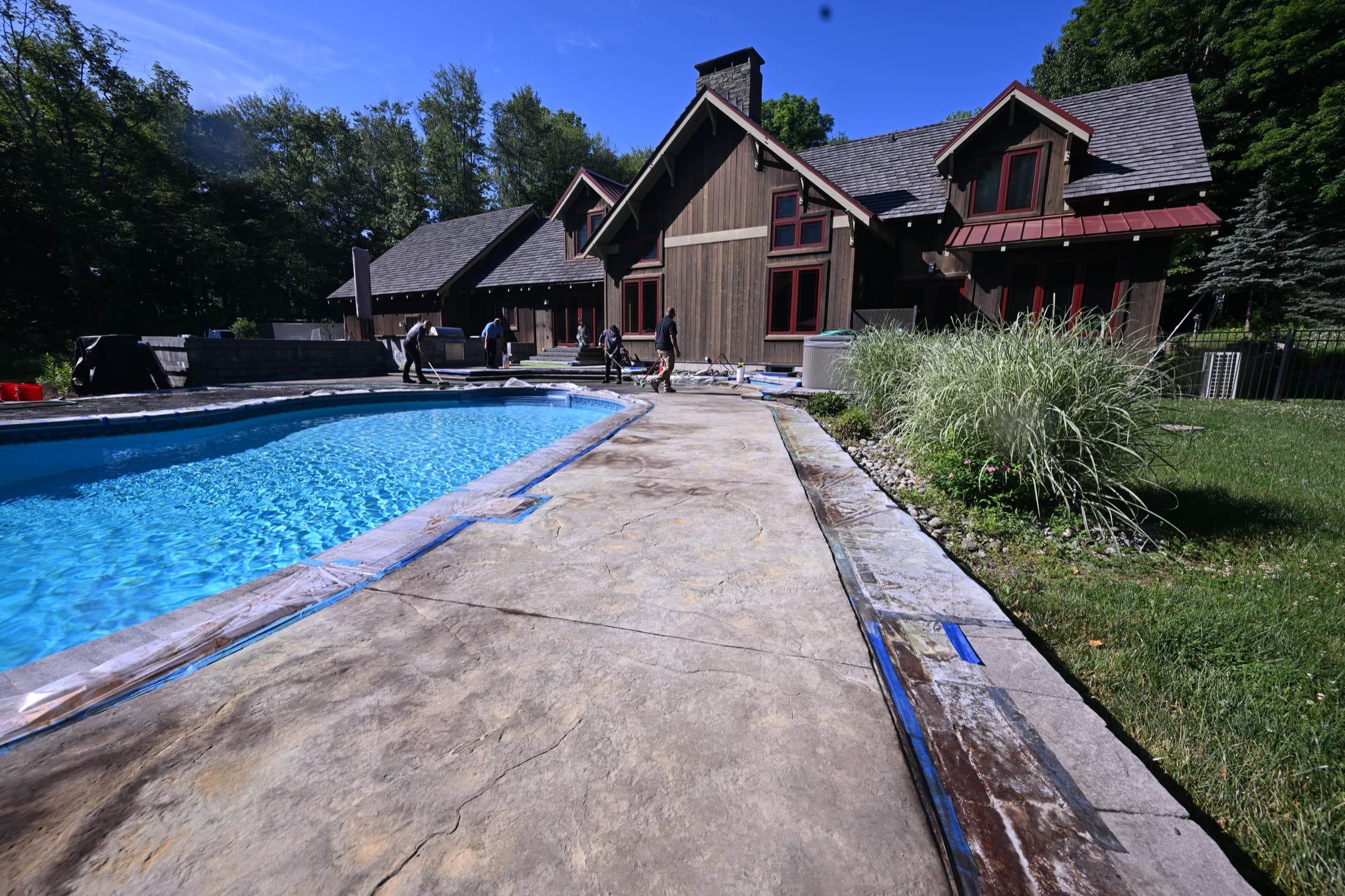
The concrete must be cleaned and prepared so the stain can reach it. Old coatings, contaminants, or flooring residue may require additional work. Repairs are addressed as appropriate, with the understanding that patched areas can remain visually distinct. Preparation methods depend on the slab and the specified staining system.
- 3
Apply the Stain and Allow the Reaction
The product is applied according to its instructions and given the required time to react. The installer controls the application, but the slab's chemistry contributes to the final appearance. Additional color work may be possible within the chosen system.
- 4
Clean, Neutralize, and Dry
After the reaction, residual material is removed and the surface is neutralized and rinsed as required by the manufacturer. Thorough cleanup and adequate drying are essential before sealing. The schedule varies with conditions and materials.
- 5
Seal and Explain Care
A compatible sealer is chosen for the location and intended use. We explain the expected appearance, cleaning method, signs of sealer wear, and when the surface can return to service. Exterior exposure and heavy traffic may call for closer monitoring.
Acid Stain or Another Decorative Concrete Finish?
| Your priority | A direction to discuss |
|---|---|
| Natural, translucent color with one-of-a-kind variation | Acid staining on suitable concrete |
| A more consistent or specific color | Another concrete coloring or coating system, such as epoxy flooring |
| Stone or brick-like texture on a new slab | Stamped concrete |
| Texture over a sound existing slab | Stamped concrete overlay evaluation |
| A damaged, sinking, or heavily patched surface | Repair, leveling, resurfacing, or replacement before decorative work |
Each finish has different preparation, wear, and maintenance needs. We will assess the existing slab before suggesting a decorative treatment.
Hudson Valley Weather and Everyday Wear
A stained patio or walkway in the Poughkeepsie area faces rain, snow, freezing temperatures, and winter maintenance. The stain's reacted color is not a shield against freeze and thaw damage; the concrete's condition, drainage, and protective finish still matter. Deicers and aggressive cleaning can shorten the life of a sealer or harm vulnerable concrete.
Interior surfaces have different demands: tracked-in grit, spills, furniture movement, and, in basements, possible moisture beneath the slab. We match the conversation about sealing and care to the actual setting rather than promise a universal lifespan or resealing schedule.
Acid Staining FAQs
Can you acid stain old concrete?
Often, yes, if the slab is sound and the surface can be properly prepared. Existing paint, sealer, adhesive, oil, or extensive patching can limit the result. We inspect the concrete before recommending staining.
Will acid stain cover cracks and repairs?
No. Acid stain is translucent. Cracks, patches, and differences in the existing concrete may remain visible and may take color differently. Some clients like that character; others prefer a finish that offers more visual coverage.
Does acid-stained concrete chip or peel?
The color created by the reaction does not form a paint film that peels from the surface. The sealer is a separate protective layer and can wear, scratch, or fail if the surface was improperly prepared or exposed to unsuitable conditions.
Can I choose an exact color?
You can choose a general color direction from available stains, but exact shade and pattern cannot be guaranteed. Concrete composition, age, porosity, and prior treatments affect the reaction. Ask us about a test area and alternatives if consistency is essential.
Is acid-stained concrete slippery?
Traction depends on the concrete texture and the selected sealer, especially when the surface is wet. For entrances, patios, and other wet areas, ask about suitable sealer and traction options. No finish is completely slip-proof.
Does acid staining waterproof a basement floor?
No. Staining is decorative, and a sealer should not be treated as a solution for active water intrusion or hydrostatic pressure. We evaluate and address moisture concerns before recommending an interior decorative finish.
How do I clean an acid-stained floor?
Sweep or dust mop away grit and use a cleaner appropriate for the installed sealer, often a mild pH-neutral product. Avoid harsh acids, abrasive methods, and chemicals that can damage the finish. We provide care instructions for the system used on your project.
How often must it be resealed?
There is no single schedule that fits a lightly used basement floor, busy business, and exposed patio. Sealer type, traffic, cleaning, sunlight, and weather all affect wear. Inspect the finish periodically and follow the project-specific care guidance.
Can a driveway or garage be acid stained?
Some suitable slabs can be stained, but the sealer must be evaluated against tire traffic, spills, road salt, and winter exposure. Where protection or uniform appearance is the main goal, another floor or driveway treatment may be preferable.
How much does acid staining cost in the Hudson Valley?
Cost depends on square footage, access, cleaning and coating removal, repairs, design complexity, and the specified sealer. We need to see the slab to provide a meaningful project estimate.
What areas does Concrete Doctor of New York serve?
We work with customers in Poughkeepsie, Wappingers Falls, Kingston, New Paltz, Newburgh, Middletown, and nearby Hudson Valley communities. Check the service area or send your address with your inquiry.

Why Choose Concrete Doctor of New York?
A good decorative result starts with understanding the concrete itself. Concrete Doctor works with concrete repair as well as decorative finishes, and owner Chris brings more than 15 years of hands-on concrete and basement repair experience. That helps us identify when a slab needs attention before its appearance changes.
We will explain what acid staining can bring out, which existing marks are likely to remain, and what the protective finish will require over time. You should know what to expect from your own slab before choosing a color.
We work with customers in Poughkeepsie, Wappingers Falls, Newburgh, Kingston, New Paltz, Middletown, and nearby Hudson Valley communities. Check the service area.
Request Your Free Acid Staining Evaluation
Tell us whether the project is a basement floor, patio, walkway, commercial area, or another concrete surface. Include its location, approximate size, current condition, and any photos that show cracks, patches, coatings, or water concerns. We will assess whether acid staining suits the concrete and discuss the next steps.
Call 845-769-6096 or request your free acid staining evaluation.
Request a Free Evaluation