Concrete Driveway Repair in the Hudson Valley, NY
Lift Sunken Driveway Slabs and Make Your Entrance Easier to Use
Does your car bump over a raised edge every time you pull into the garage? Has one section of your driveway dropped below the next, leaving a puddle or a place to catch your foot? A concrete driveway can look solid on top while the soil beneath it has shifted or washed away.
Concrete Doctor of New York repairs eligible cracked and sunken driveways in Poughkeepsie, Newburgh, Middletown, Kingston, Wappingers Falls, and nearby Hudson Valley communities. We inspect the slab, surrounding ground, and drainage before recommending a repair. When the existing concrete is sound enough to keep, PolyLevel® concrete lifting may restore a more even approach without tearing out the driveway.
Tell us what is happening at your driveway. Request a repair quote or call 845-769-6096.
Why Is My Concrete Driveway Sinking?
A driveway needs consistent support from the soil below. If water carries soil away or poorly compacted fill settles, an empty space can develop beneath a slab. The concrete may then drop, tilt, or crack under normal use. We often see the change first where the driveway meets a garage floor, sidewalk, or neighboring slab.
Water and Soil Erosion
Overflowing gutters, a downspout that empties near the driveway, or runoff that repeatedly crosses the same area can wash supporting soil away. Open joints and cracks can also let water reach the ground underneath. Lifting a slab without considering ongoing drainage leaves an important part of the problem unanswered.
Settling Fill and Heavy Loads
Soil placed around a newer home or driveway may compress over time, particularly if it was not compacted evenly during construction. Repeated vehicle traffic or a heavy parked vehicle can add stress to a slab that has already lost support.
Hudson Valley Weather
Rain, snowmelt, and freeze and thaw cycles can expose weak drainage and widen existing openings. Weather alone does not tell us which repair is needed; we look at the slab and the conditions around it.
Is the driveway dropping at your garage entrance? Send us photos and request an evaluation.
Driveway Problems We Evaluate
- A sunken garage approach: The driveway sits below the garage threshold, creating a bump for vehicles and sometimes directing water toward the door.
- Uneven sections or trip edges: One panel has dropped beside another, making it harder to walk, shovel snow, or roll equipment across the driveway.
- Cracks with a change in height: A surface patch may close the opening, but it will not restore support or bring a low side back up.
- Standing water: A settled area may collect water. We assess the driveway's slope and the surrounding drainage before recommending a lift.
- Gaps at adjoining structures: Separation near a garage, walkway, or foundation may signal slab movement and deserves a closer look.
Not every cracked driveway needs lifting. A crack in an otherwise level, well-supported slab may call for a different repair. Deep breakage, extensive crumbling, or severe surface deterioration may make replacement of a section the better choice.
How We Repair a Sunken Concrete Driveway
- 1
Inspect the Driveway and Find the Likely Cause
We check the amount and direction of settlement, existing cracks, slab condition, garage threshold, nearby joints, and where runoff travels. That helps us decide whether the concrete can be lifted and what other work may be needed.
- 2
Lift Eligible Slabs with PolyLevel®
For a suitable driveway, our crew drills small access holes at planned points and injects PolyLevel® polyurethane foam beneath the concrete. The material expands to fill accessible voids and lift low areas in a controlled way. We monitor the slab during the lift; the achievable height and final alignment depend on its condition and what it meets on either side.
- 3
Finish the Surface and Discuss Any Remaining Work
We patch the injection points and review the result. Existing cracks, weathering, and patch marks can remain visible. If open cracks or joints need treatment, or a downspout or grading issue is sending water beneath the slab, we discuss that separately. The crew will tell you when to resume vehicle use for your particular repair.
Want to know whether your driveway is a lifting candidate? Request a driveway repair quote.
Driveway Lifting, Crack Repair, or Replacement?
The right choice depends on what is wrong with the concrete, not simply how noticeable the damage looks.
| What we find | Repair approach to consider |
|---|---|
| An intact slab that has settled | Evaluate PolyLevel® concrete leveling to lift and support it. |
| Open cracks or joints in otherwise sound concrete | Evaluate sealing to limit water entry; sealing alone cannot raise a dropped slab. |
| Settlement plus open cracks | Evaluate lifting first, followed by appropriate crack or joint treatment. |
| Extensive breakage, weak concrete, or severe surface failure | Discuss replacing the affected section when a durable lift is unlikely. |
For a broader look at repair options around your property, see our concrete repair services.
Why Repair Your Driveway Before the Drop Gets Worse?
Make everyday access smoother.
A better transition at the garage and between driveway sections can make walking and driving across the property easier.
Address a potential trip hazard.
Uneven edges are easy to miss, especially in low light or when leaves and snow cover the surface.
Keep usable concrete.
When a slab is sound enough to lift, a targeted repair may avoid the demolition and disruption of replacing it.
Pay attention to water.
Standing water or runoff toward a garage can create recurring problems. A repair plan should consider the slope and source of the water, even when drainage work is separate.
Restore a more cared-for entrance.
A level driveway can improve the first impression of a property, though old cracks and color differences may still be visible.
Concrete Driveway Repair FAQs
Can a sunken concrete driveway be repaired without replacing it?
Often, yes. If the slab remains structurally sound, PolyLevel® injection may lift and stabilize the settled section. Concrete that has broken into many pieces or deteriorated severely may be better replaced.
What causes a driveway to sink in front of a garage?
Soil near the garage may settle, especially where fill was placed during construction. Runoff and downspouts can also erode support beneath the driveway. We inspect the transition and drainage to understand what happened at your property.
Will a driveway crack patch fix a low slab?
No. A surface patch does not replace lost support or lift the concrete. When the sides of a crack are at different heights, we evaluate the settlement before recommending crack treatment.
How does PolyLevel® driveway lifting work?
Small holes are drilled through the slab, then polyurethane material is injected below it. The expanding material fills accessible gaps and raises eligible concrete. The holes are patched after the lift.
Is PolyLevel® the same as mudjacking?
Both are methods of lifting settled concrete, but PolyLevel® uses expanding polyurethane foam rather than a cement-based slurry. Suitability depends on the driveway's condition and the site.
Can you level a driveway where it meets the garage?
That is a common area to assess. We measure the drop, inspect the slab and threshold, and determine how much improvement is practical without damaging the concrete or adjacent structure.
Will the repair make my driveway look brand new?
Lifting can improve alignment, but it will not remove existing stains, wear, or every crack. Patched injection holes may be visible. We discuss appearance expectations before work starts.
How soon can I park on the repaired driveway?
PolyLevel® cures quickly, but return-to-use timing depends on the repair and vehicle load. Follow the crew's instructions before parking on the repaired area.
Will the driveway sink again?
Lifting fills accessible voids and supports the slab, but future soil movement cannot be ruled out. If runoff is washing soil away, correcting that source may also be important. We explain what we observe during the evaluation.
How much does concrete driveway repair cost in the Hudson Valley?
Cost depends on the number and size of slabs, amount of settlement, slab condition, access, and any related crack or drainage work. An on-site assessment lets us provide a quote based on your driveway.
Why Choose Concrete Doctor of New York?
Experience with Concrete and the Conditions Around It
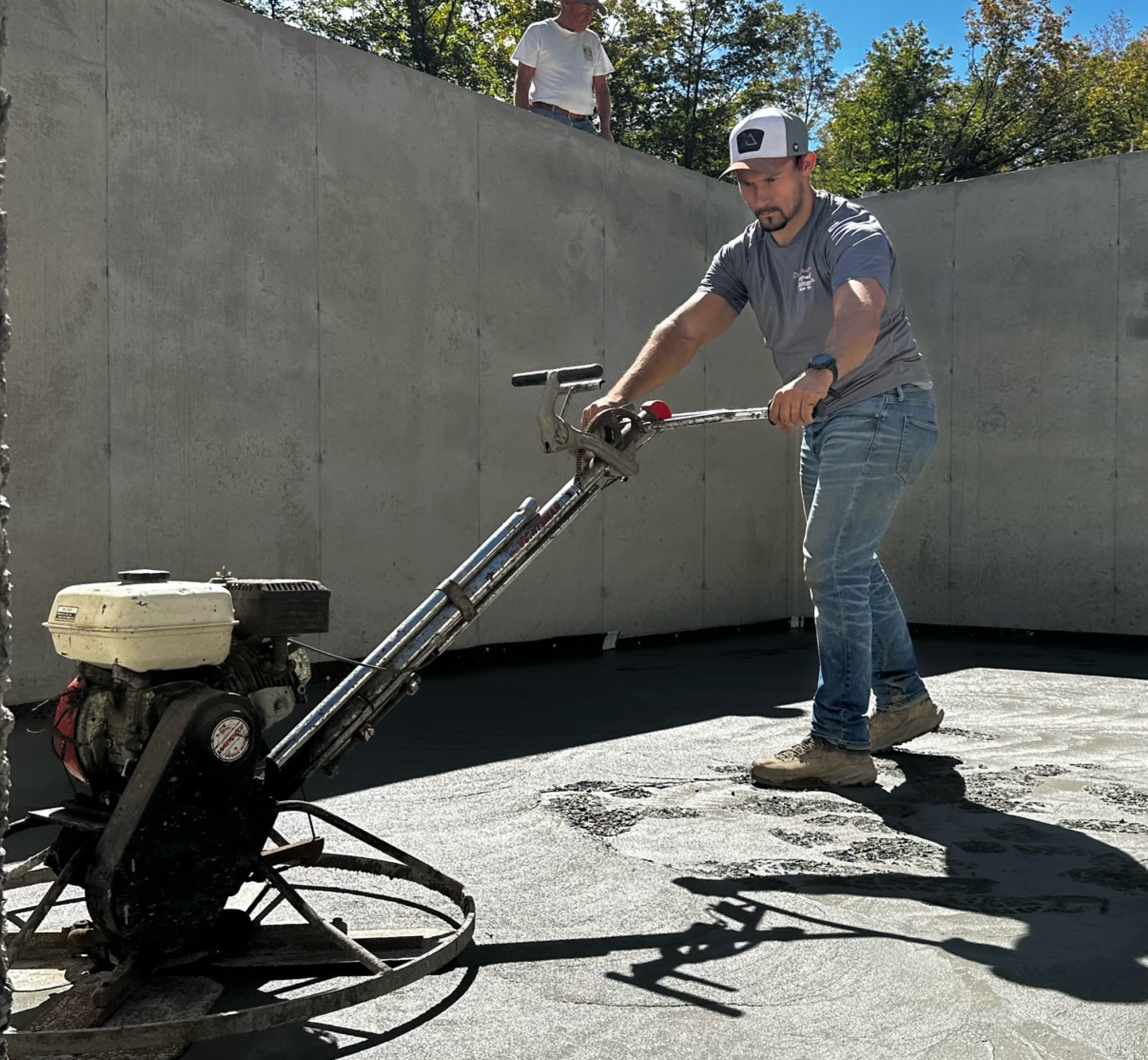
Owner Chris brings more than 15 years of hands-on concrete and basement repair experience. We look beyond the visible low spot to consider the slab, adjoining surfaces, and water conditions before proposing work.
A Clear Recommendation for Your Driveway
You will hear what a lift is expected to improve, what may remain visible, and when repair is not the sensible option. Concrete Doctor also handles related concrete repair and foundation repair concerns when a problem extends beyond the driveway.
Local Hudson Valley Service
We serve the Poughkeepsie area and communities including New Paltz, Kingston, Wappingers Falls, Newburgh, Middletown, and nearby towns. Explore our service area.
Get a Straight Answer About Your Driveway
You do not have to decide on your own whether to patch, lift, or replace a sinking driveway. Show us the low area, the cracks, and where water goes after a storm. We will evaluate the concrete and recommend a practical next step.
Call Concrete Doctor of New York at 845-769-6096 or request your concrete driveway repair quote. Include your town and photos of the driveway if available.
Request a Quote